Dec 1, 2025
A Conversation That Redefines What Corporate Giving Can Be in 2026 and Beyond
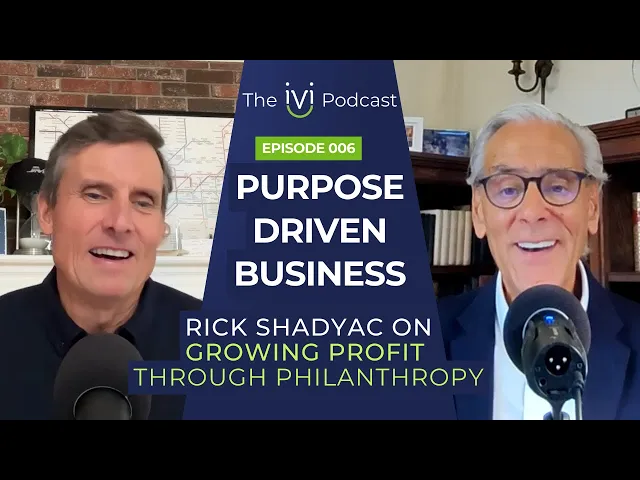
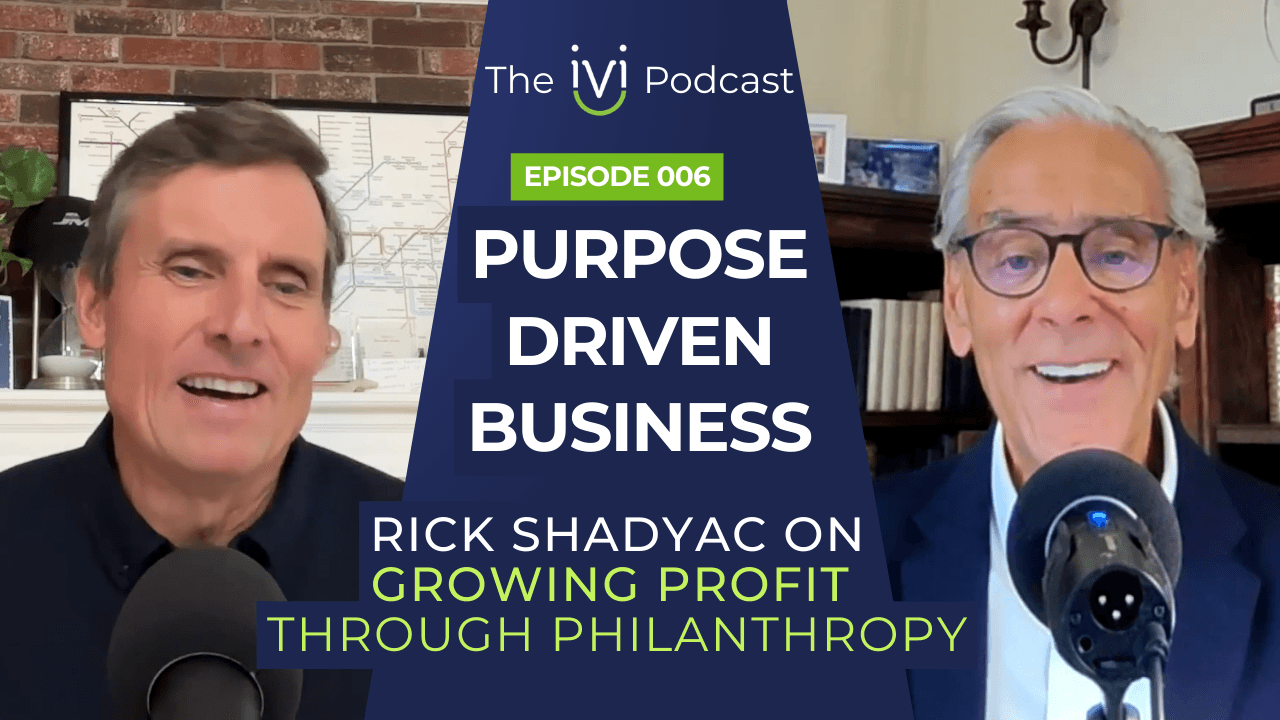
When you sit down with someone who helped shape one of the most trusted and impactful philanthropic organizations in the world, you listen differently. On this episode of the ivi Podcast, Joe Phoenix speaks with Rick Shadyac, former CEO of ALSAC/St. Jude — a leader whose family and career have been central to building one of the most successful charity models in modern history.
During Rick’s tenure, ALSAC’s fundraising engine grew from hundreds of millions to billions annually. But what makes Rick’s perspective invaluable isn’t just the scale of St. Jude’s impact. It’s how thoughtfully that impact was built and sustained over decades. What emerged from this conversation is a roadmap for what corporate leadership and charitable strategy must look like as we approach 2026.
Rick has seen firsthand how quickly public opinion and political currents can shift. Companies that treat giving as a reactive effort or a year-end checkbox will find themselves on defense. He challenges leaders to be proactive: align giving programs to authentic company values, communicate them clearly, and create the structure to act consistently — not only when it’s convenient or expected. This approach becomes even more essential as new 2026 tax rules reshape the incentives around charitable giving. Companies that think ahead will be the ones steering the narrative instead of responding to it.
Corporate America Will Need to Fill the Funding Gap
One of the most sobering insights from Rick’s perspective is the growing gap in public support for nonprofits. Federal funding cutbacks are already putting pressure on organizations that serve vulnerable communities.
Rick sees corporate America as the sector best positioned to step in. The causes that define our communities can’t wait for funding cycles or political alignment. Corporations must take a leadership role. And as companies prepare for 2026, this leadership isn’t just philanthropic — it’s strategic.
Empowering Employees Is No Longer Optional
Joe and Rick share a belief: philanthropy works best when it’s not limited to the executive suite. Today’s workforce, especially younger generations, expects companies to stand for something meaningful — and to give them a way to participate.
When employees participate, companies gain a stronger culture, higher retention, and deeper trust. Joe and Rick emphasize the importance of
Giving employees freedom to support causes they care about
Building flexible, inclusive programs
Leveraging technology to make participation simple and transparent
Innovation Is a Requirement, Not an Accessory
Under Rick’s leadership, ALSAC and St. Jude embraced technology long before it was common in the philanthropic sector — from digital fundraising to data analytics to new engagement models. Innovation wasn’t a “nice to have.” It was a strategic necessity.
For corporate leaders preparing for 2026, the parallel is clear: modern giving requires modern infrastructure with sytems that are compliant, transparent, data-driven, and aligned across HR, Finance, CSR, and leadership. This is the future of philanthropy.
“Charitable Living” Is Bigger Than Any Program
One of the most powerful ideas from the conversation was Rick’s definition of “charitable living”: the belief that philanthropy is not just the act of giving money, but a way of approaching leadership, culture, and daily life with intention and responsibility.
It’s a mindset built on:
compassion
responsibility
community
and the belief that every person and organization can contribute meaningfully
This mindset is what companies will need as they prepare for a more demanding, more transparent era of corporate purpose.
Why This Conversation Matters Right Now
As companies prepare for the 2026 universal charitable deduction, shifting DAF rules, and new frameworks for corporate giving, the insights in this episode feel especially timely.
Rick’s message reinforces a truth we’re seeing across our work at Givinga: The next era of corporate generosity belongs to leaders who are intentional, transparent, and willing to rethink how their organizations give. Purpose is no longer separate from business strategy. It is business strategy.
Listen to the Full Episode
This conversation is full of wisdom, candor, humor, and actionable insight for anyone in leadership, philanthropy, CSR, HR, finance, or impact strategy.
Listen to the full episode with Rick Shadyac here.